Ideas have force. In my teaching, I want students to become both archaeologists and architects of ideas: to uncover the ideas that shape the world they inherit and to think seriously about what should be built next.
Meaning of War
This course explores the multifaceted philosophical dimensions of war, interrogating its ethical, existential, and cultural complexities. Through critical engagement with foundational theories and contemporary debates, students will examine the moral conditions under which warfare might be justified, the implications of emerging technologies like drones and autonomous weapons, and the ways in which war shapes human identity, community, and meaning. By integrating historical perspectives with the pressing concerns of cyber warfare and the psychological dimensions of violence, this course aims to foster a nuanced understanding of how war shapes—and is shaped by—humanity's search for meaning.
300-Level Undergraduate Course
Existentialism
This course introduces students to existentialism as both a philosophical tradition and a lived confrontation with freedom, meaning, anxiety, and mortality. By engaging with thinkers such as Kierkegaard, Nietzsche, Heidegger, Camus, Sartre, de Beauvoir, and global perspectives including Mexican and Japanese existentialists, students explore authenticity as an ongoing struggle against conformity, death as the ultimate horizon of meaning, and freedom as both liberating and profoundly unsettling. Through critical reading and reflective writing, we navigate existentialism as a provocative guide to living profoundly meaningful, rebellious, and authentic lives.
200-Level Undergraduate Course
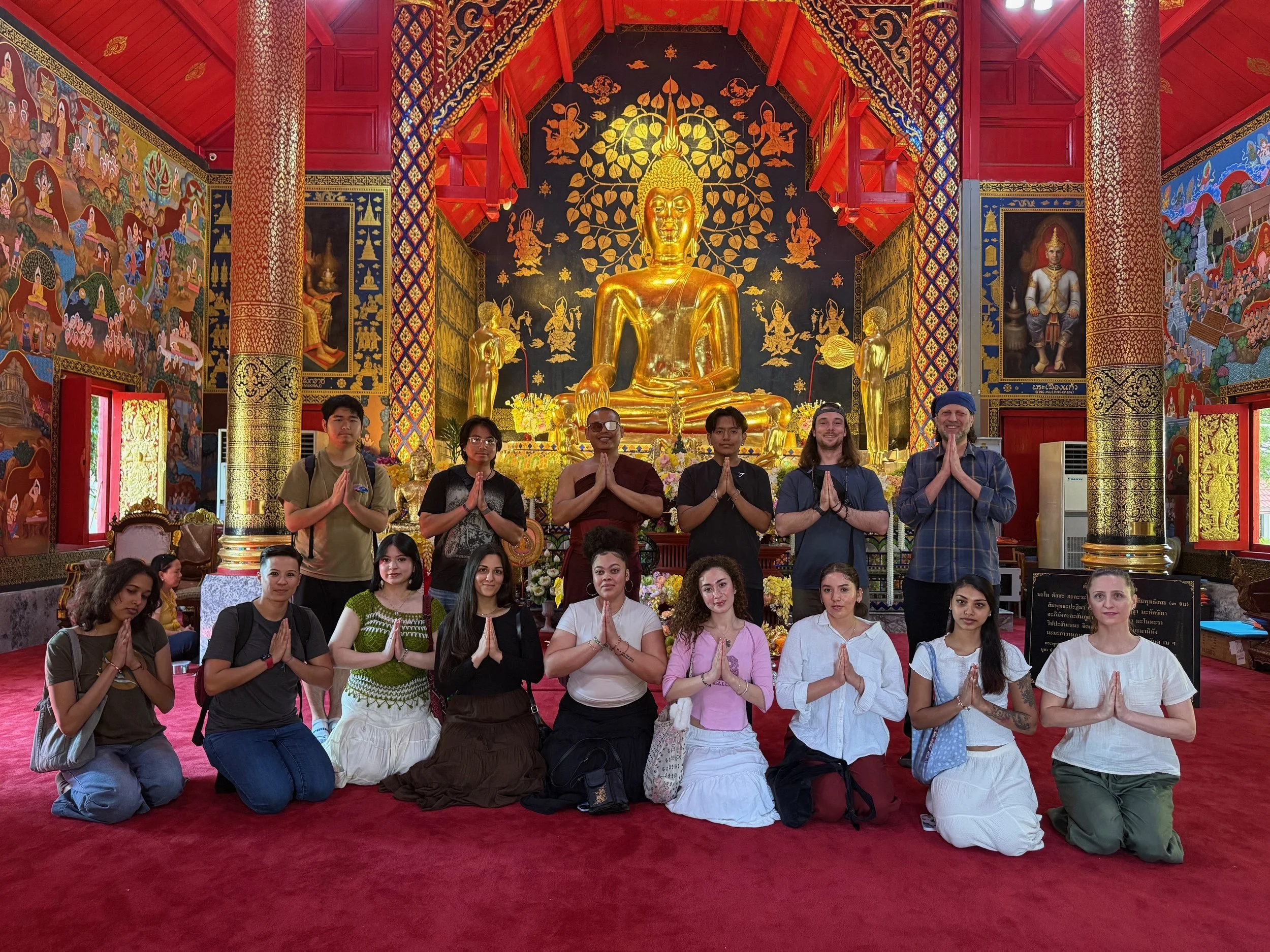
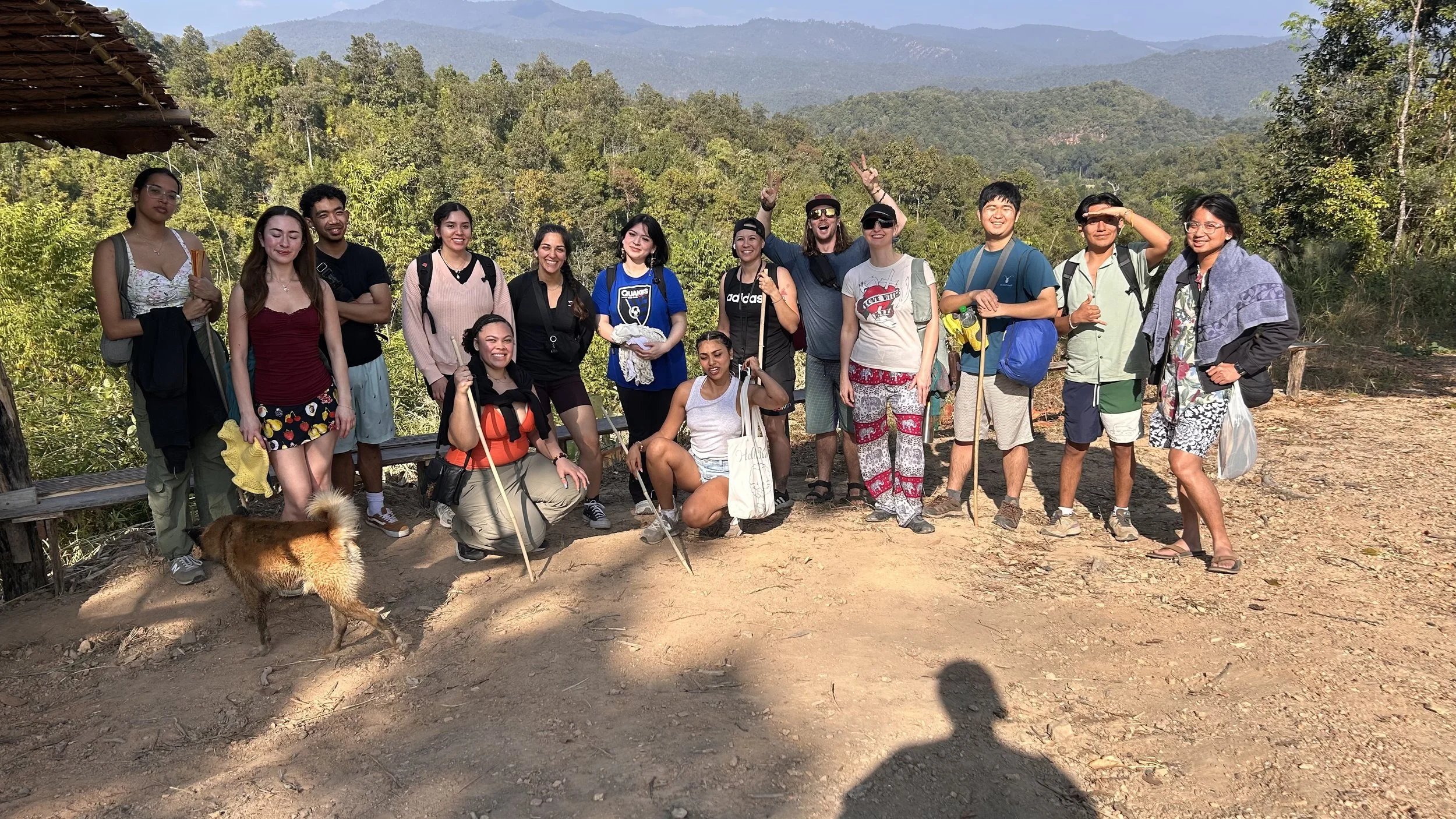
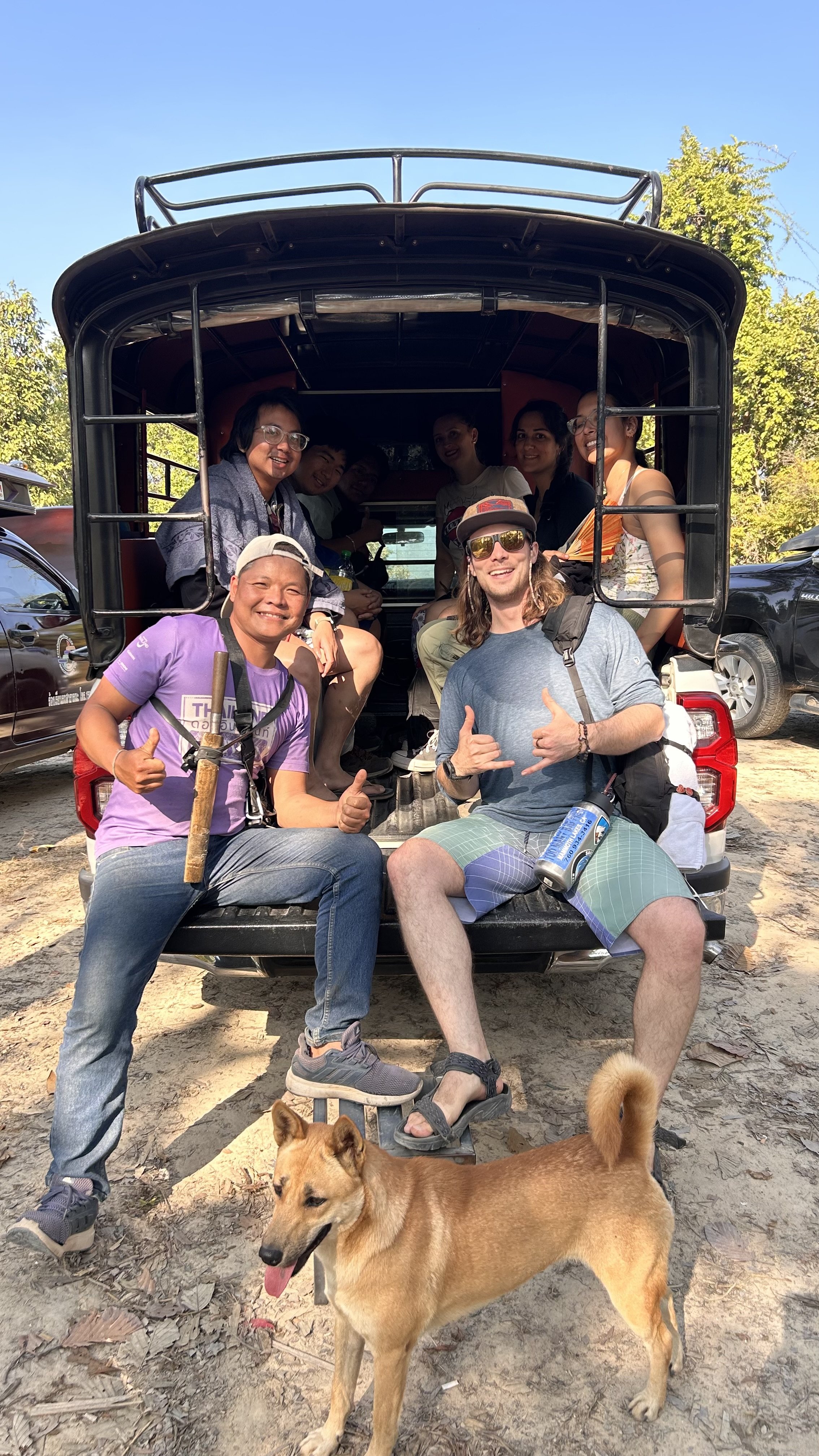
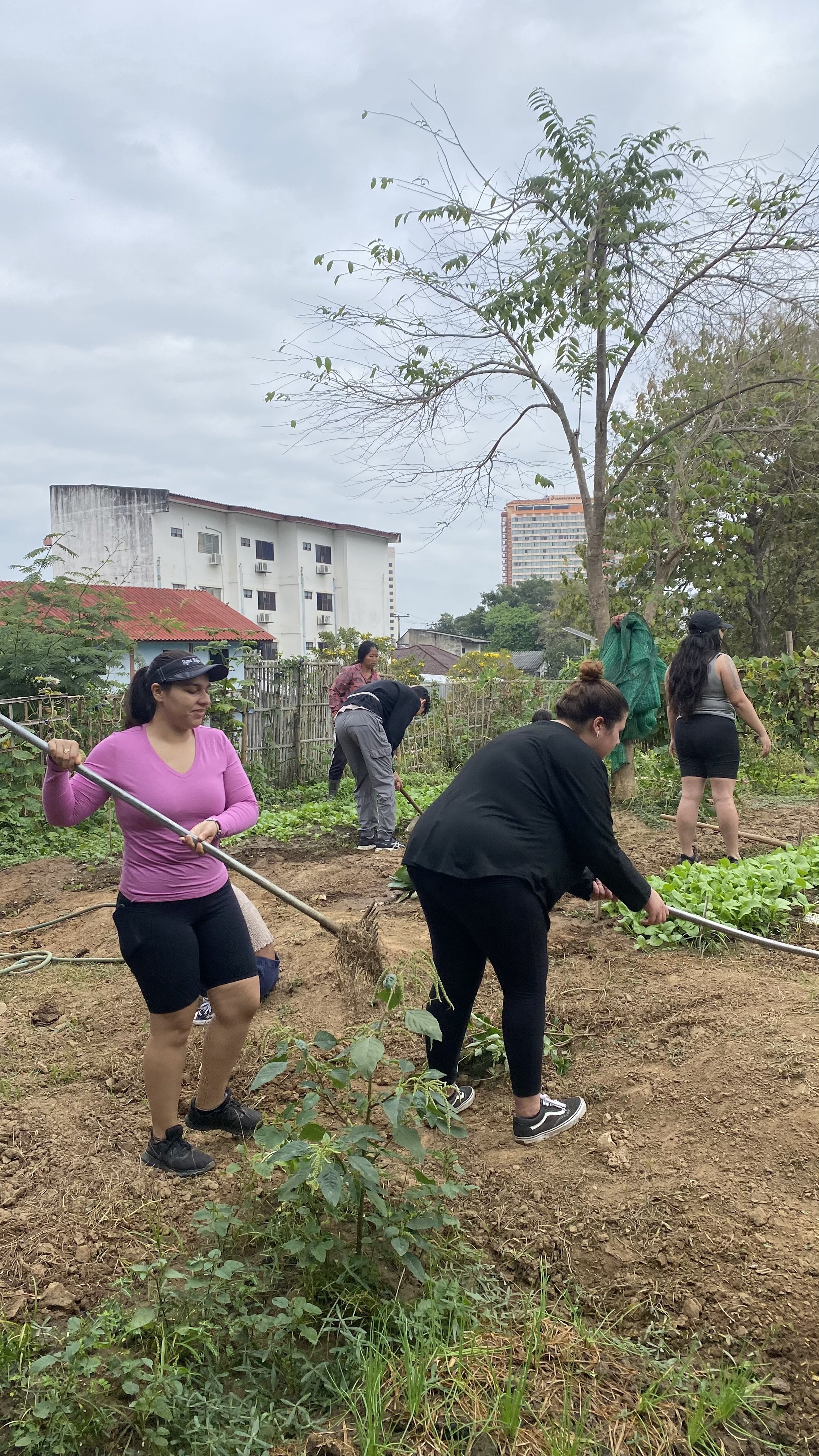
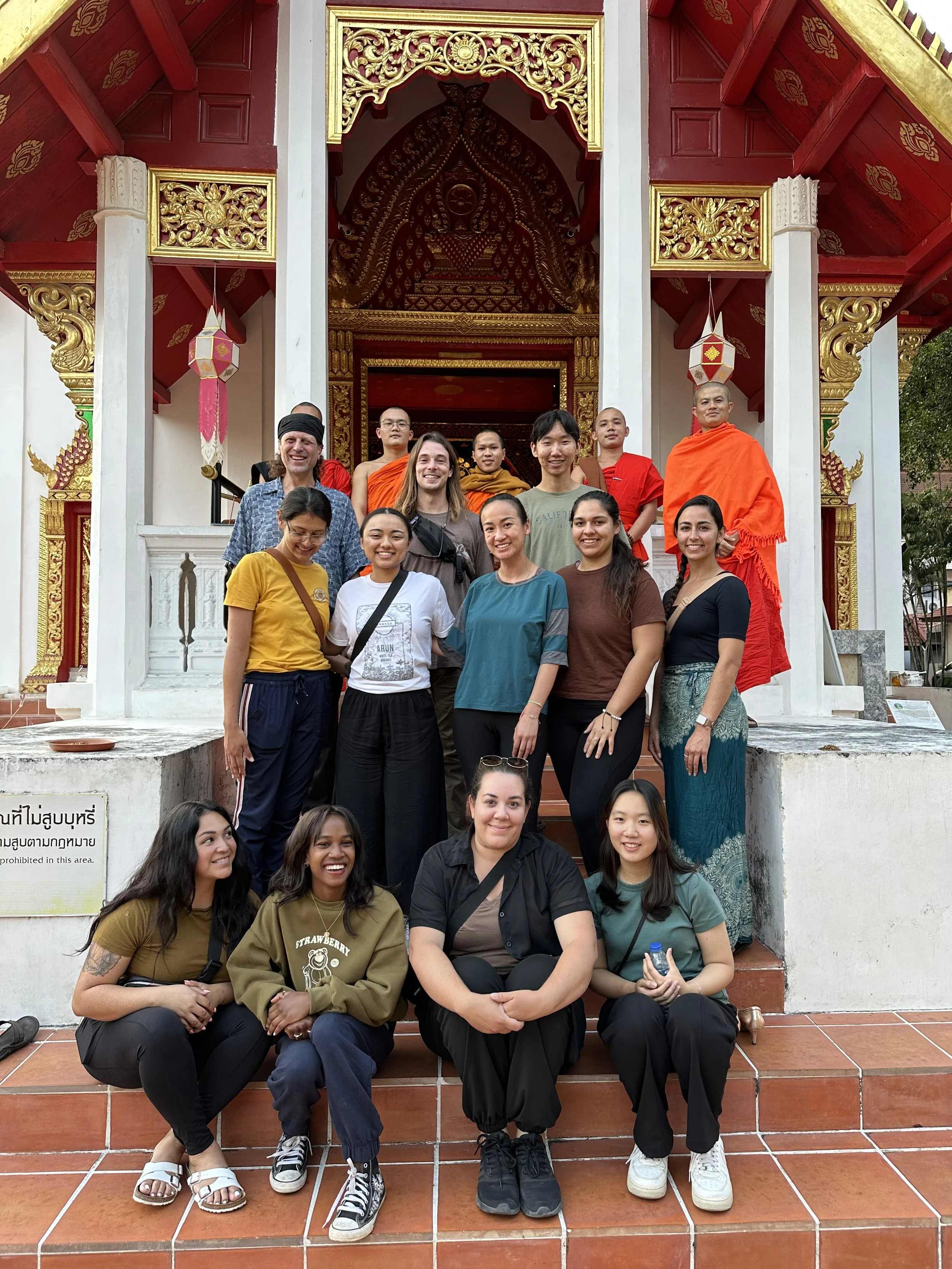
Hands On Thailand
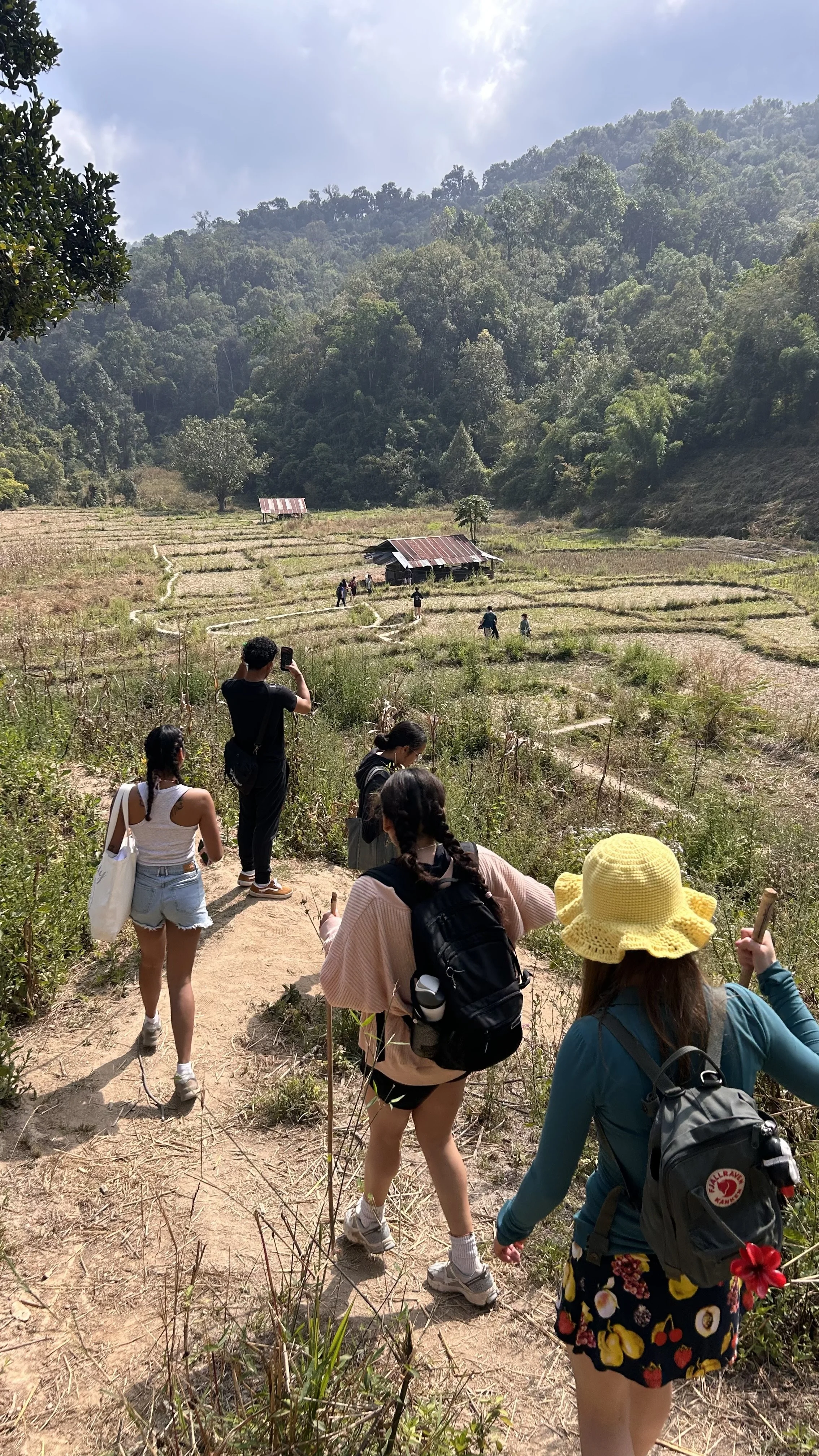
This program is built around volunteer work, community engagement, and the kind of cross-cultural learning that only becomes possible through shared experience. By working alongside local communities in Thailand, students are encouraged to move beyond tourism and into a more reflective encounter with culture, place, and service. My role as a TA is to help guide that experience through hikes, conversations, and discussions of Buddhist art, history, and philosophy, while fostering the kind of reflection that turns travel into a deeper form of learning. As a former student of this program, I can attest to its transformative potential. I am honored to be able to give back.
Study Abroad Program (TA)